Projects & Research
Research & Novel Architectures
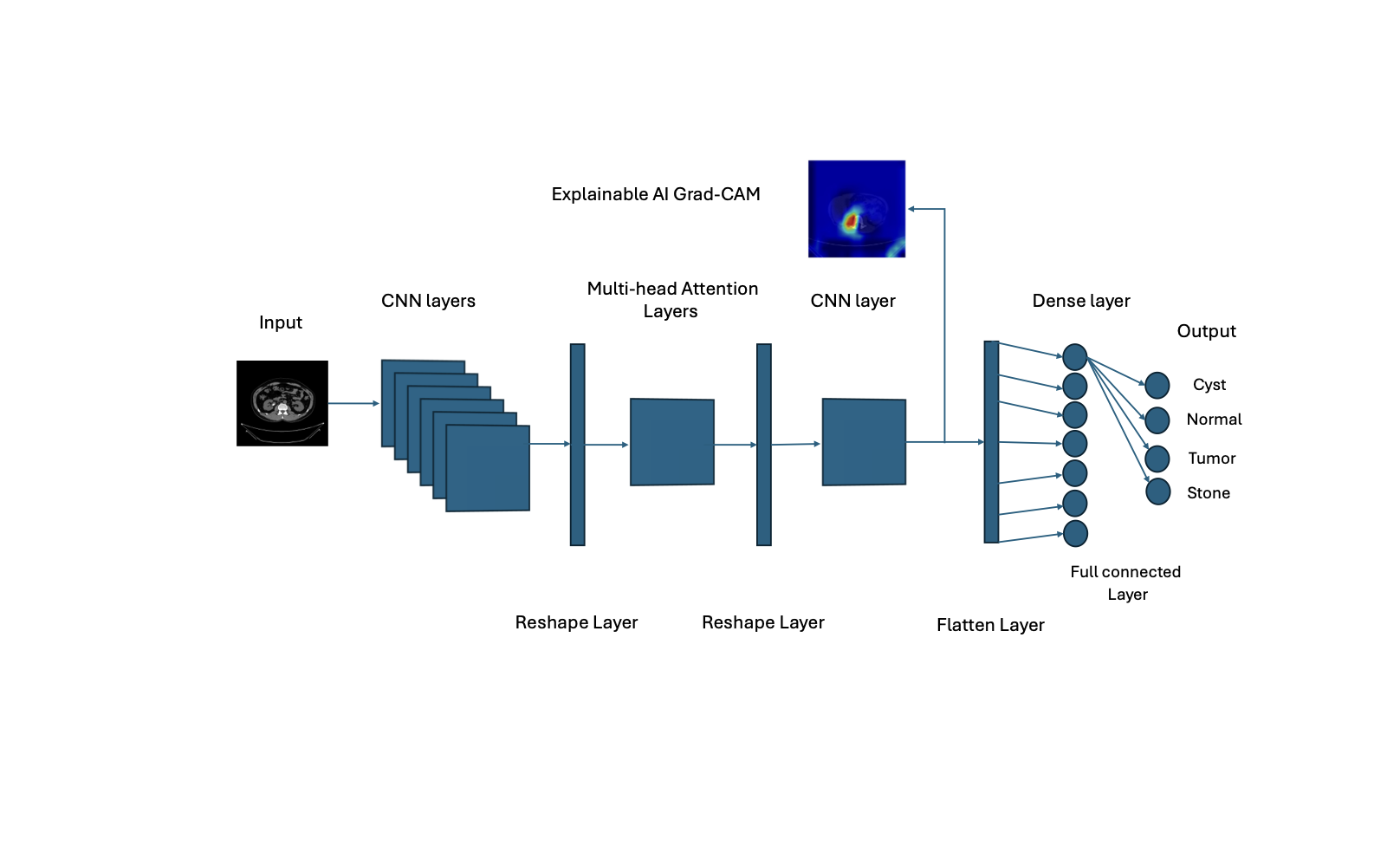
TransConvNet: Hybrid Transformer-CNN for Medical Imaging
Problem: Standard CNNs struggle to capture global context in noisy CT scans, leading to false negatives in kidney abnormality detection.
Solution: Designed TransConvNet, a hybrid architecture merging CNNs for local feature extraction with Transformers for global attention.
Impact: Achieved SOTA performance 99.9% and implemented Grad-CAM for clinical interpretability, allowing doctors to visualize decision boundaries.
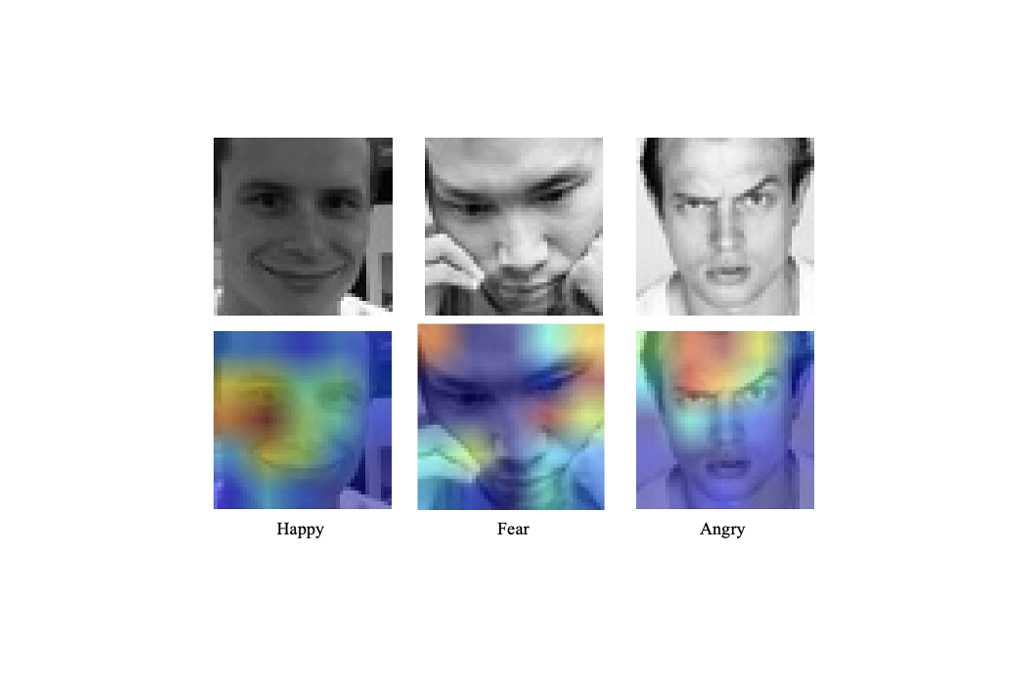
Explainable AI: Facial Emotion Recognition (FER)
Problem: "Black box" deep learning models lack transparency in critical classification tasks.
Solution: Developed a CNN-based classifier for the FER-2013 dataset integrated with Grad-CAM (Gradient-weighted Class Activation Mapping).
Impact: The system visualizes exactly which facial features (eyes, mouth curvature) drive specific emotion predictions, addressing model bias and reliability.
Applied AI & Scalable Systems
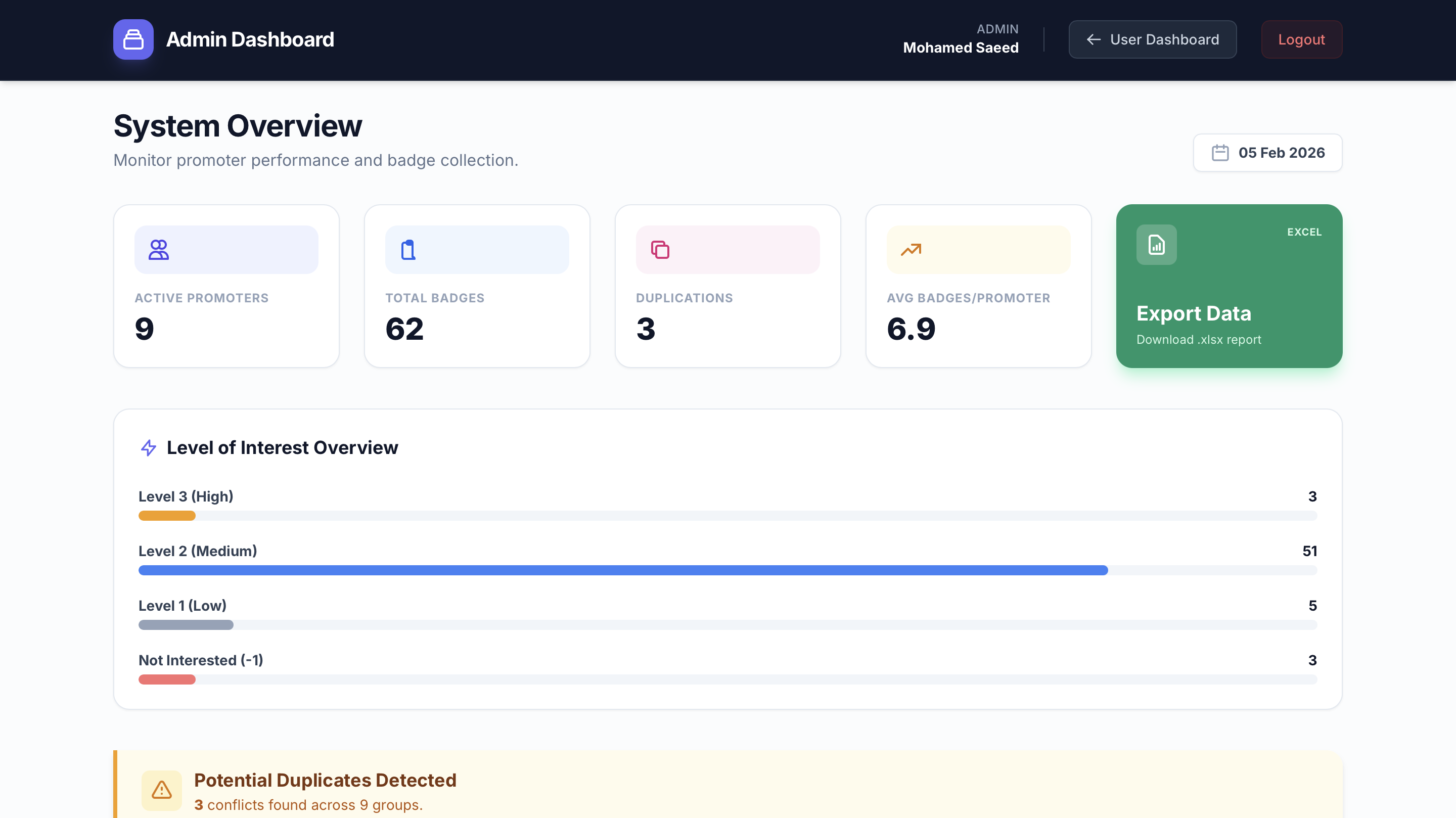
GenAI-Powered CRM & Business Intelligence System
A production-grade CRM designed for high-throughput event lead capture. Integrated Google Gemini API for unstructured-to-structured data extraction (JSON) from business cards, replacing brittle OCR templates. Engineered a custom fuzzy-logic deduplication algorithm to handle data redundancy in real-time.

Scalable Image Classification API (MLOps)
An end-to-end MLOps demonstration focusing on the deployment lifecycle of computer vision models. While the core model uses CNNs, the project highlights infrastructure: Docker containerization for reproducibility, Nginx/Gunicorn for load balancing, and a CI/CD workflow on AWS EC2 for continuous deployment.
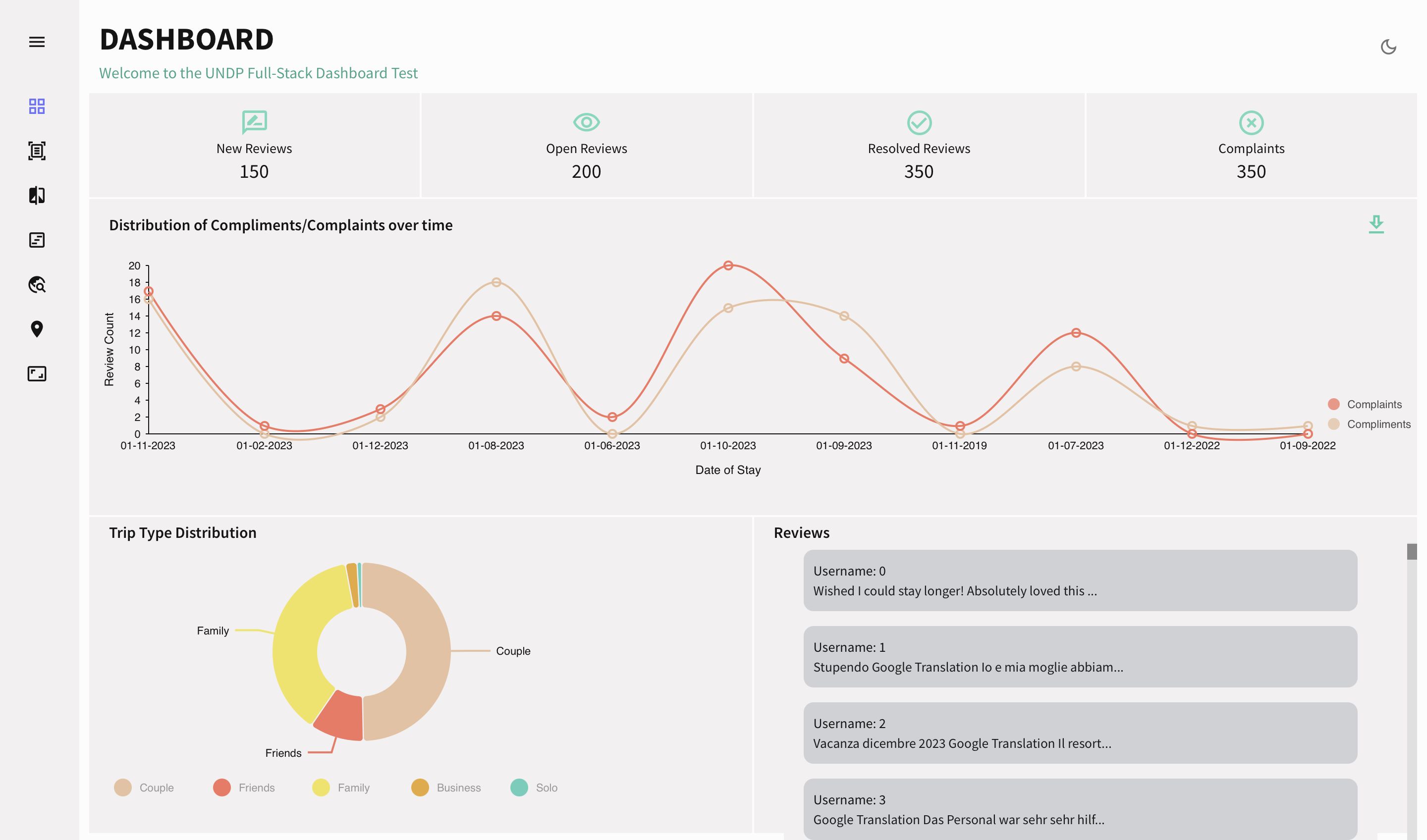
Tourism Data Analytics Dashboard
A data visualization platform analyzing tourism trends from scraped datasets. Focuses on data cleaning pipelines and interactive frontend visualization components to derive actionable insights from raw review data.